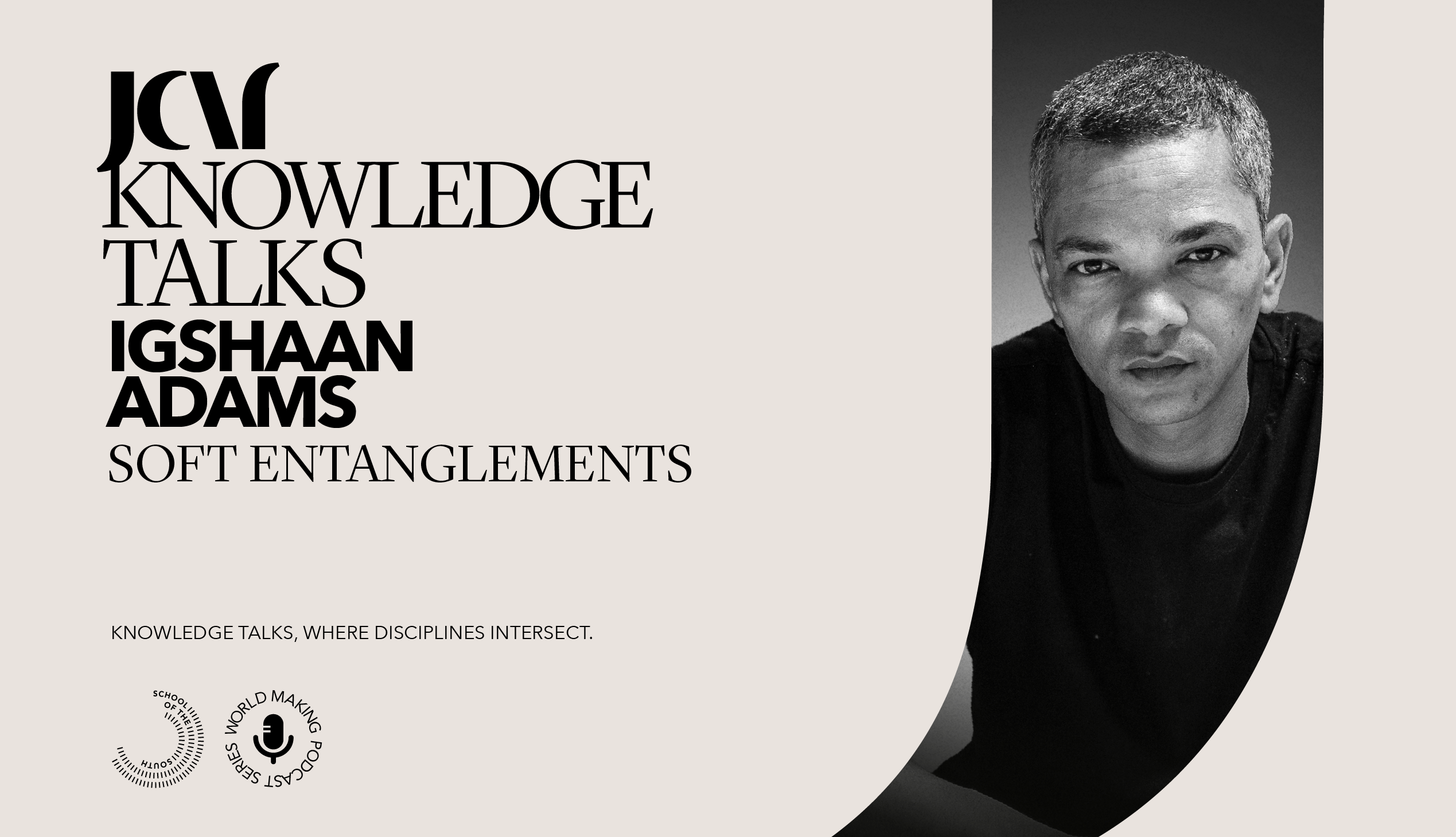
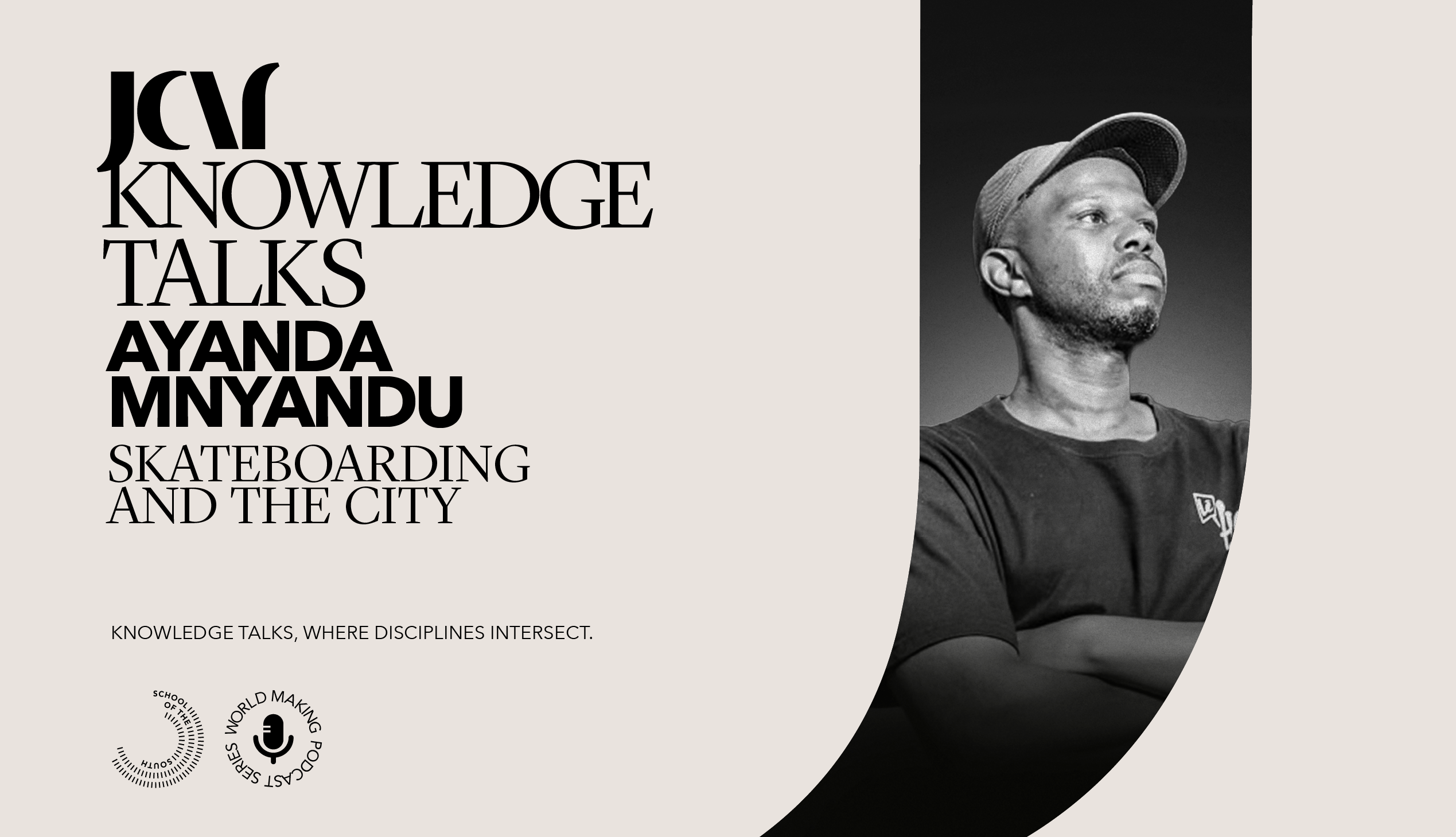
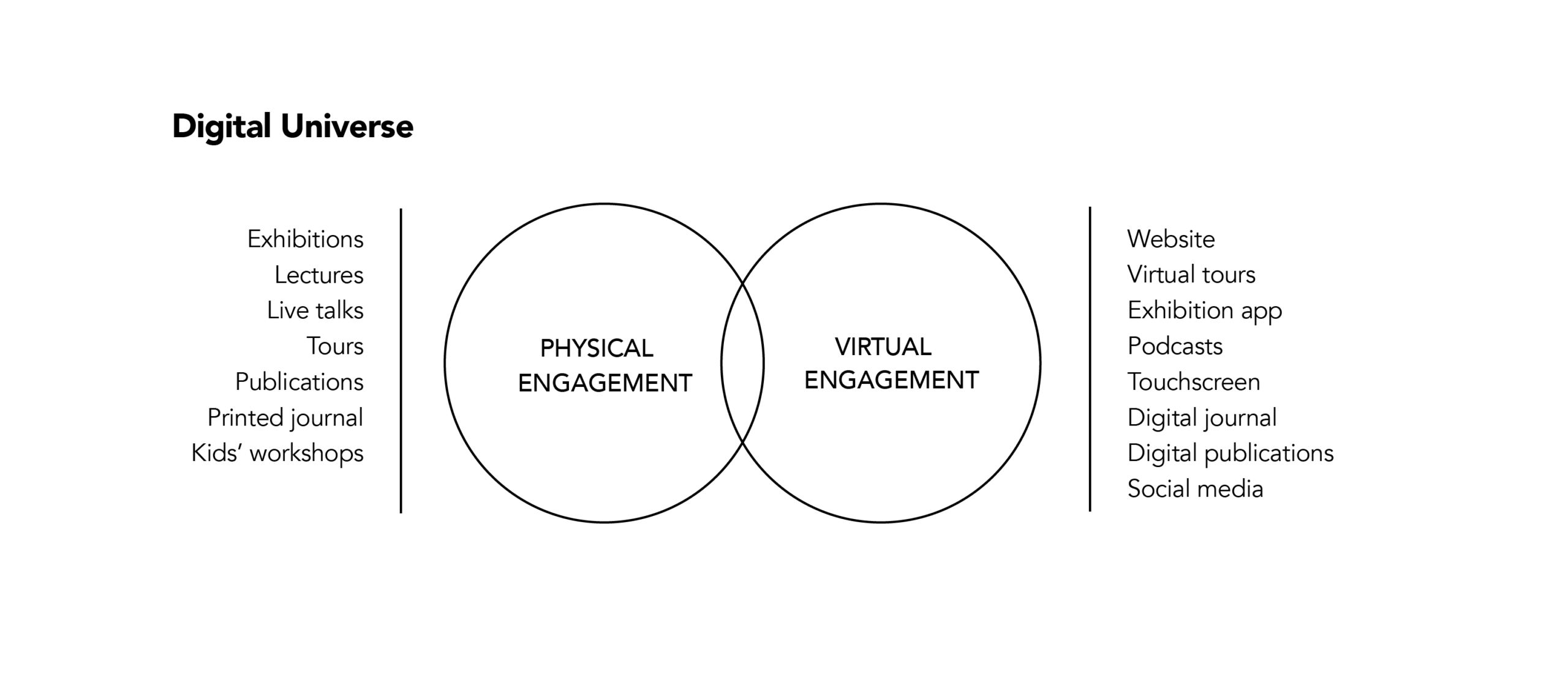
JCAF’s technology-driven engagement with art seeks to foster meaningful, personal encounters between visitors and artworks. To achieve this, JCAF has adopted an integrated and immersive approach to digital technology that encompasses: (i) an online booking system for visitors, (ii) an interactive touch-screen wall, (iii) an exhibition app, (iv) social media and (v) a podcast series.
The interactive touch-screen wall serves as a dynamic exploratory space, encouraging playful interaction with the content developed through our programmes and exhibitions. As the entry point for visitors, it sets the tone for JCAF as a technologically driven institution.
For the first Theme, JCAF used an app that replaced traditional museological labels, enabling participatory engagement with artworks through beacon technology. The app provided contextual information about each artist and artwork while amplifying the broader curatorial narrative. Since 2024, JCAF has introduced the Reader in place of the app: a discursive tool designed to facilitate deeper engagement with exhibitions.
Through its various digital and physical platforms, JCAF aims to provide a more personalised and self-curated experience for the public that foregrounds exploration and intellectual engagement.
JCAF Knowledge Talks is a new podcast series recorded in the Foundation’s Reading Room. Each episode unfolds a different discipline with an expert in the field based in the Global South. The conversations range from astrophysics and sustainable food practices, to AI and architecture. The podcasts are led by art-critic Ashraf Jamal and explore how closer relationships between art and science can expand the way we see the world.
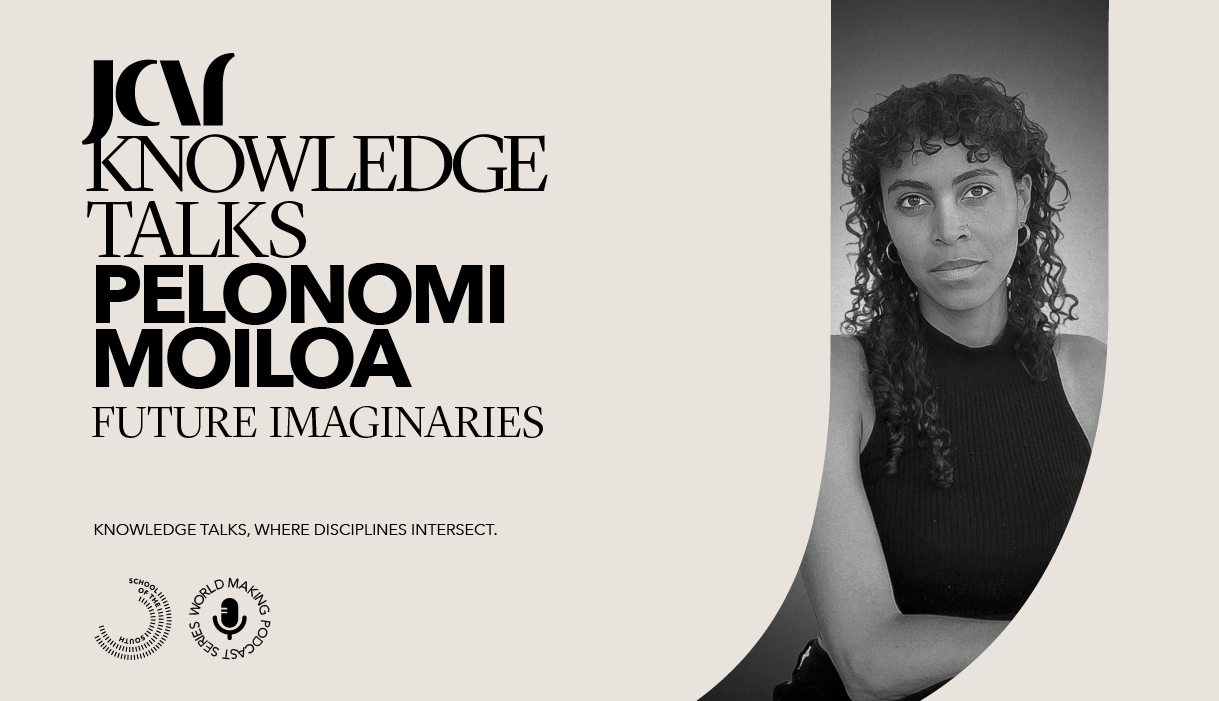
In Season 1 (2024) we spoke with neurologist Dr Kirti Ranchod about the relationship between art and brain health, and the concept of neuroaesthetics; Zayaan Khan spoke about her experience working with food and land justice initiatives, and the notion of ‘seed as relation’; Zizipho Poswa reflected on her artistic development, the cultural and historical context of the Eastern Cape and the creative process behind her recent bodies of work; Ilze and Heinrich Wolff discussed the concept of an ‘architectural practice of consequence’, spatial practice and knowledge creation in their work as architects in the context of South Africa; and Pelonomi Moiloa discussed why expanding online access to African languages is essential for building a better future across the continent.
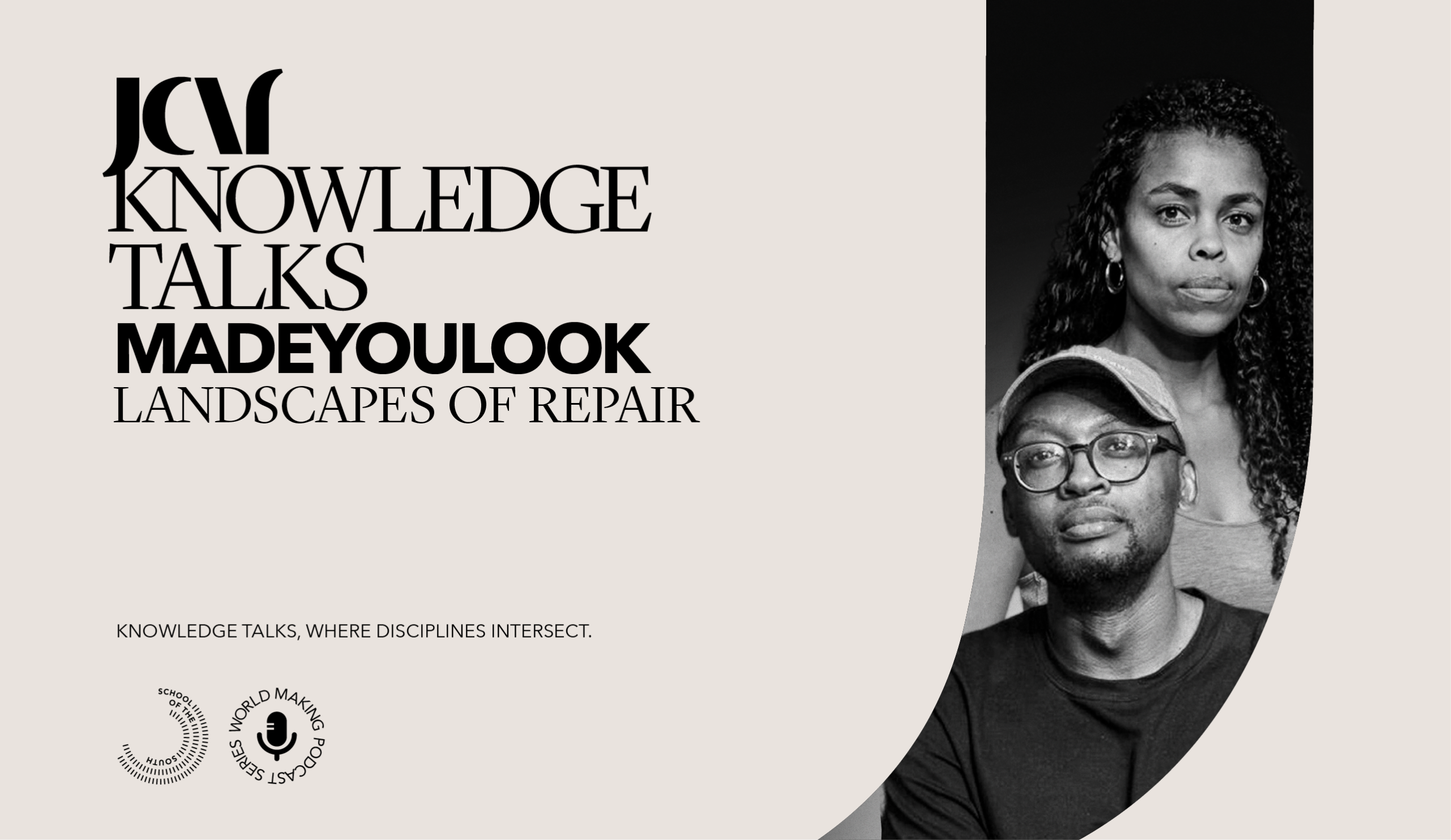
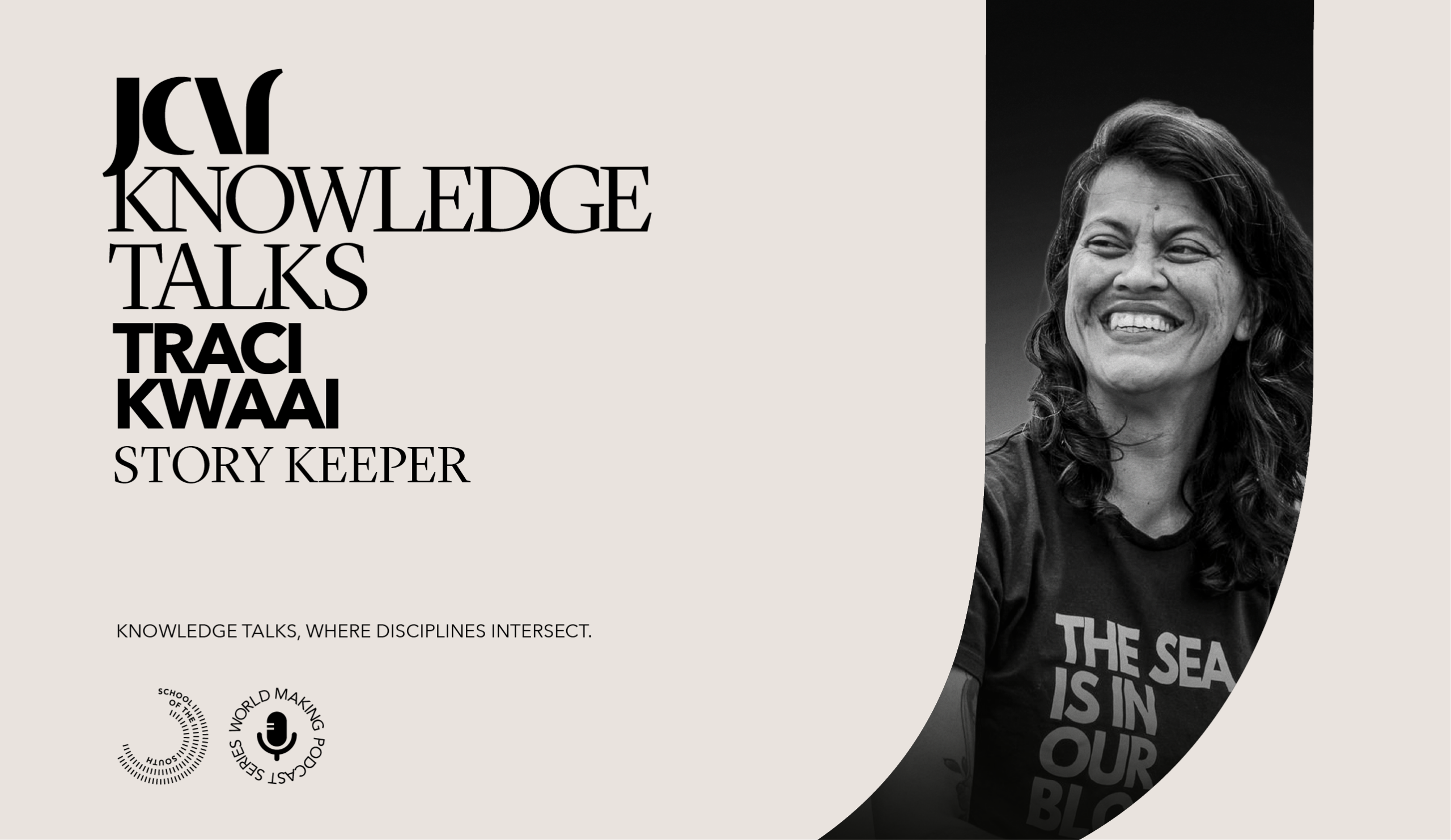
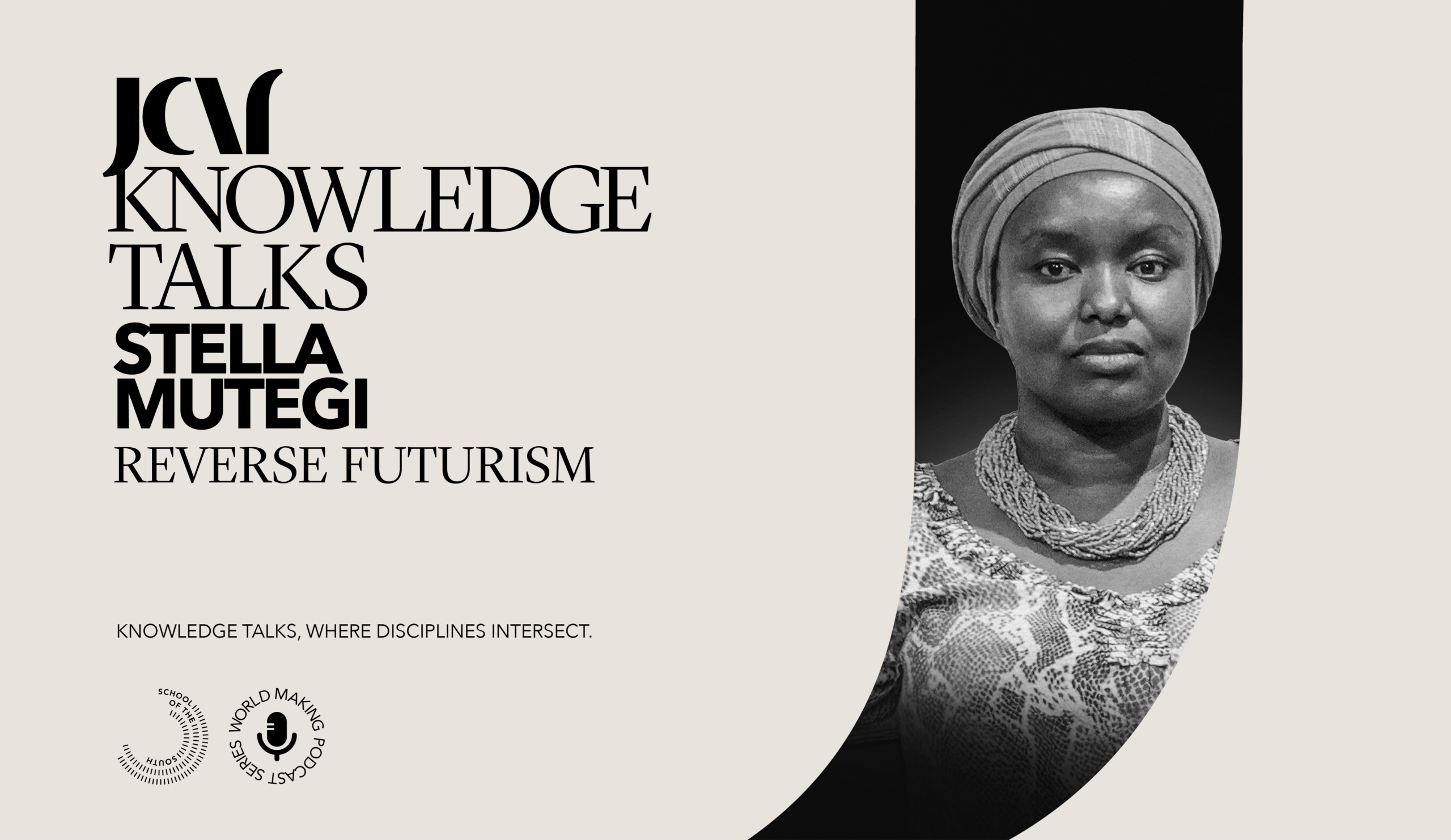
In Season 2 (2025) we spoke with Johannesburg-based artist collaborative MADEYOULOOK about their interest in everyday black practices in South Africa and what it means to have a relationship with nature; story keeper Traci Kwaai talks about her experience working in and with the community of Kalk Bay, as well as the politics of land and sea in the area; Stella Mutegi told us about her experience co-founding Cave Bureau, a Nairobi-based bureau of architects and researchers who actively bridge the gap between academia and practice; Igshaan Adams reflected on abstraction, process and the materiality of ideas in his work, through which personal, cultural and political concerns are inscribed; and Johannesburg local Ayanda Mnyandu, founder of City Skate Tours, spoke about his passion for skateboarding, street culture and his love of the city.
Season 3 (2026) will be recorded later this year.
Available on all major streaming platforms, the podcast series offers accessible and in-depth perspectives on disciplinary intersections.
Image credit: Isabella Celis, El centro es el origen (The centre is the origin) (detail) from the series Muyus Seeds (2024). © and courtesy Isabella Celis and Mater Iniciativa.